Quick Summary
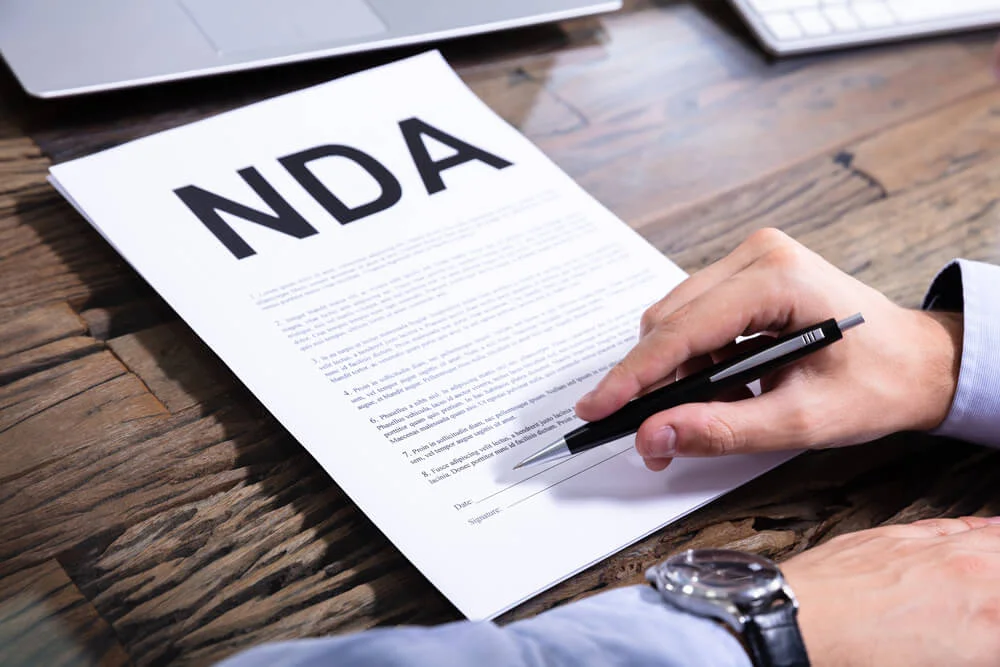
Non-disclosure agreements protect confidential information only when courts deem the terms reasonable and the information genuinely proprietary. Enforceability depends on narrow definitions, appropriate time frames, and a willingness to act if a breach occurs, since an NDA nobody intends to enforce carries little practical weight. When a breach does happen, building a credible case requires solid evidence and a clear monetary value tied to the harm caused. Monetary damages, paired with an injunction, tend to yield the strongest outcome for businesses pursuing a claim.
Signing a document rarely feels like the finish line, yet many business owners treat non-disclosure agreements as exactly that. Getting a signature is only the first step. Non-disclosure agreements only protect your confidential information when they are drafted properly and enforced with follow-through.
Vethan Law Firm P.C. helps businesses prepare NDAs that serve as meaningful legal protections rather than documents that remain unused.
What Is a Non-Disclosure Agreement?
A non-disclosure agreement is a contract between two parties. One party discloses information, and the other party receives it. The agreement specifies which information counts as confidential and prohibits sharing it with anyone outside the agreement.
NDAs are frequently used between employers and employees, businesses and independent contractors, or companies working together on commercial projects. They generally remain effective throughout the business relationship and often continue for a specified period after the relationship ends. This allows businesses to exchange valuable information while reducing the risk of unauthorized disclosure.
Many people who sign non-disclosure agreements treat them as pure formality. Some assume the disclosing party will never actually enforce the terms. That assumption poses a real risk to any business relying on an NDA to protect sensitive information.
Drafting an Enforceable Non-Disclosure Agreement
Whether an NDA can be enforced usually depends on whether its terms are considered reasonable under applicable law. Courts commonly evaluate several factors, including:
- The disclosing party’s interest in keeping the information secret
- The length of time the information must stay confidential
- The burden compliance places on the receiving party
- The interests of the public in the information at stake
The information covered also needs to actually qualify as confidential. It must be unique or extraordinary rather than something already commonly known. If a court decides the information was never truly confidential, other NDAs your business relies on could face challenges too, since more parties may feel emboldened to test the same argument.
Our business law team regularly reviews NDA language before a dispute arises, since catching a vague clause early is far less costly than discovering it during litigation.
Options for Enforcing Non-Disclosure Agreements
Enforcement starts with a decision. How far are you willing to go if someone breaches the agreement? Consider what your intellectual property is actually worth and what steps you are prepared to take if a breach occurs. An NDA nobody intends to enforce carries little weight and may not be worth asking people to sign in the first place.
Several practical steps strengthen enforcement down the road:
- Confirm what information qualifies. The information must not be commonly known publicly or already used by similar businesses. State laws and guidelines can affect what counts as confidential, so checking local requirements matters before drafting the agreement.
- Define confidential information narrowly. Broad or vague definitions rarely hold up in court. Detail the information covered when parties sign, and communicate clearly whenever new confidential information
- gets shared during a project or initiative.
- Set a clear time frame. Some information loses value quickly, such as a digital marketing campaign still in development. Other information, like a proprietary recipe or formula, needs protection for years. The agreement should also cover a period after the relationship ends, such as after an employee’s termination.
- Shift legal costs to the losing party. A clause requiring the losing party to cover legal fees may discourage some people from signing, but this outcome usually works in your favor.
- Track access to confidential information. Keep an inventory of sensitive material and monitor who accesses it and when. Once a project wraps up, collect back trade secrets and cut off electronic access for anyone who no longer needs it.
NDA Lawsuits and Remedies for Protecting Confidential Information
Suspecting a breach of confidential information covered by an NDA calls for a conversation with legal counsel as a first step. An attorney can help determine your legal standing and walk through what pursuing a case actually involves.
Legal counsel can also help build the case itself. This includes identifying evidence, tracing how the information was leaked, and documenting use of the information by unauthorized parties. Hiring an investigator sometimes makes sense depending on the complexity of the situation.
Before filing a lawsuit, it is important to confirm that sufficient evidence supports the claim. Businesses must also demonstrate measurable harm resulting from the disclosure, including financial losses or damage to competitive advantages. Strong evidence often plays a critical role in achieving a favorable outcome.
A cease-and-desist letter often serves as the first formal step. This document requests that the offending party stop using or sharing your information immediately, and it resolves many disputes before further action becomes necessary. When a cease-and-desist letter is not enough, additional remedies become available.
The most effective approach usually combines two elements together: monetary damages and an injunction preventing further disclosure or use of the information. Pursuing both remedies together often provides the greatest level of protection.
Making Your Confidentiality Protections Actually Work
Non-disclosure agreements only protect your business when the terms are reasonable, the information covered is confidential, and you are prepared to enforce the agreement if a breach occurs. Clauses spelling out consequences for a breach give an NDA real weight, rather than leaving it as a formality that nobody expects to matter.
Vethan Law Firm P.C. helps business owners draft agreements designed to hold up in court and builds a case with solid evidence if a breach needs to be pursued.
Questions about strengthening the non-disclosure agreements your business already uses? Talk with one of our business attorneys before your next signature gets collected.
FAQs
What makes a non-disclosure agreement enforceable in court?
Courts generally consider whether the agreement is reasonable, protects a legitimate business interest, and clearly identifies confidential information. Material that is publicly known or overly broad restrictions may weaken enforceability.
Can a non-disclosure agreement cover information after employment ends?
Yes. Many NDAs specify a period of continued confidentiality after a relationship ends, such as following an employee’s termination or the conclusion of a contractor relationship.
What should I do if I suspect my NDA has been breached?
Consult an experienced business attorney as soon as possible. Legal counsel can evaluate the situation, preserve evidence, determine whether the agreement has been violated, and recommend appropriate legal action.
What remedies are available if a non-disclosure agreement is breached?
Monetary damages and an injunction against further disclosure are the two primary remedies. Pursuing both together tends to produce stronger results than relying on either option alone.
Is a cease-and-desist letter enough to stop an NDA violation?
Sometimes. A cease-and-desist letter formally requests that the offending party stop using or sharing confidential information and can resolve many disputes before further legal action becomes necessary.